
Homeowner Guide · 2026
Colorado Roofing Contractor License: How to Verify Your Roofer
Short answer: Colorado has no statewide roofing license. Roofers are licensed by the city or county where the work happens, so the right question is not “Are you licensed in Colorado?” but “Are you licensed in my city or county, and can I see the number?”
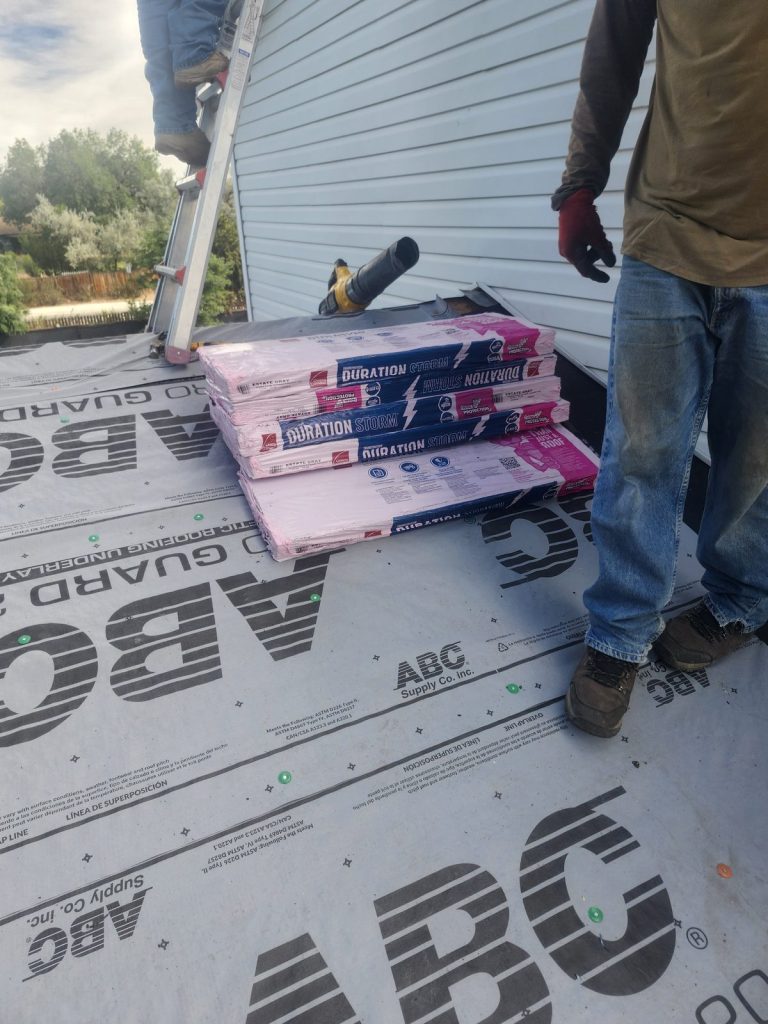
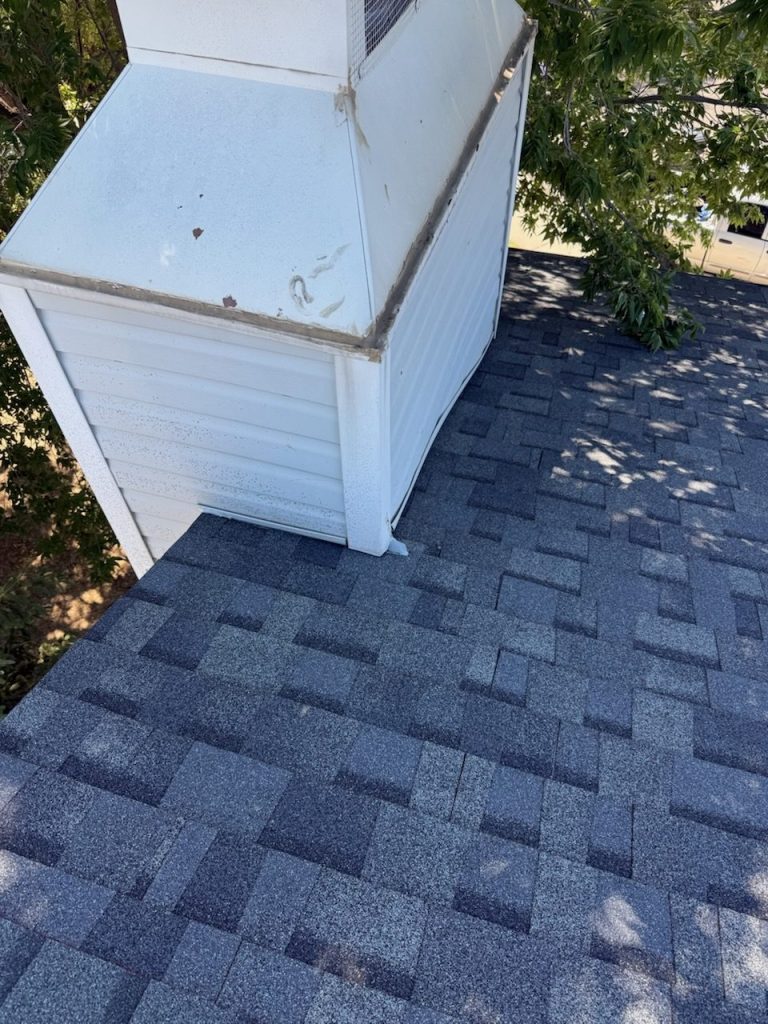
Our Licensed Roofing Crew at Work
Real photos from Josh Brooks Construction jobs on the Front Range. Captions note where each job was done.

Who licenses roofers in Colorado?
Licensing is handled by local building departments. Requirements vary by municipality, and many counties issue contractor licenses by class, where the class limits what kind of work and how large a project the contractor can pull permits for. Before you sign, call the building department for your address or search its online license lookup.
Our licenses
- Boulder County — License CON-24-0152, Class C (valid through 8/8/2027)
- Jefferson County — Class C
- Douglas County — Class A (Castle Rock, Parker, Highlands Ranch and surrounding areas)
Josh Brooks Construction and Renovation Inc. has been in business since 2014, and Josh has worked in construction for 30 years. We install only Class 4 impact-resistant shingles (Owens Corning Duration STORM or better) with all new metals and flashing. See our Longmont roofing contractor page or find your city in our roofing service area.
What Colorado law requires in a roofing contract
Colorado’s roofing contract statute (C.R.S. 6-22-103) requires a written contract that includes, among other items, a description of the scope of work, a cost based on the damage known when the contract is signed, and approximate dates of service. If a roofer won’t put those in writing, walk away.
5-step license check before you hire
- Ask for the license number and the city or county that issued it.
- Verify it with that building department’s license lookup.
- Confirm the license class covers your project.
- Get a certificate of insurance sent directly from the insurer.
- Make sure the roofer pulls the permit in their own company name.
Red flags: storm chasers after a hailstorm
After big Front Range hail events, out-of-state crews knock doors with no local license, an out-of-state phone number, and pressure to sign today. A local license means a local address, a local building department that holds them accountable, and someone who will still answer the phone when a warranty issue comes up. Read more on how to avoid storm chaser roofers.
Licensed. Local. Not a storm chaser.
Free estimates · Senior & Veteran discounts
Call 720-828-7997 or text 720-453-5095Frequently Asked Questions
Does Colorado require a state roofing license?
No. Colorado does not issue a statewide roofing license; licensing is handled by local governments.
How do I look up a roofer’s license in Colorado?
Use the online contractor license lookup for the city or county where your home is, or call its building department with the contractor’s license number.
What does a Class A, B or C contractor license mean?
Classes set the scope of work a contractor may permit. Class A is the broadest. Check the issuing county’s definitions for the exact limits.
What does Colorado law require in a roofing contract?
Colorado’s roofing contract statute (C.R.S. 6-22-103) requires a written contract that includes, among other items, a description of the scope of work, a cost based on the damage known when the contract is signed, and approximate dates of service.
Where is Josh Brooks Construction licensed?
We hold Boulder County license CON-24-0152 (Class C), a Jefferson County Class C license, and a Douglas County Class A license covering Castle Rock, Parker, Highlands Ranch and surrounding areas.
Colorado hail & insurance: by the numbers (2026)
- Colorado ranks #2 in the U.S. for hail insurance claims, behind only Texas.
- The Front Range sits in “Hail Alley,” the highest frequency of large hail in North America — about 7–9 hail days a year.
- A Colorado state analysis (Feb 2026) found hail is 26–54% of the homeowners premium depending on county — roughly 50% along the Front Range.
- The average Colorado premium hit about $6,630 in 2026, up ~100.8% since 2020 — the largest increase of any state.
- Colorado typically sees 3–4 catastrophic hailstorms a year (each ≥ $25M in insured damage); severe season runs mid-April to mid-September.
Sources: Rocky Mountain Insurance Information Association (RMIIA); Colorado Division of Insurance (Feb 2026); National Weather Service; NAIC / Insurify (2026).
Go deeper:


